


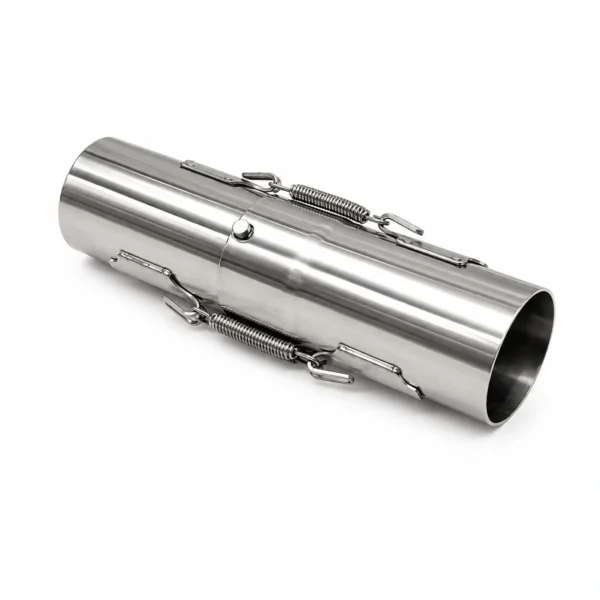
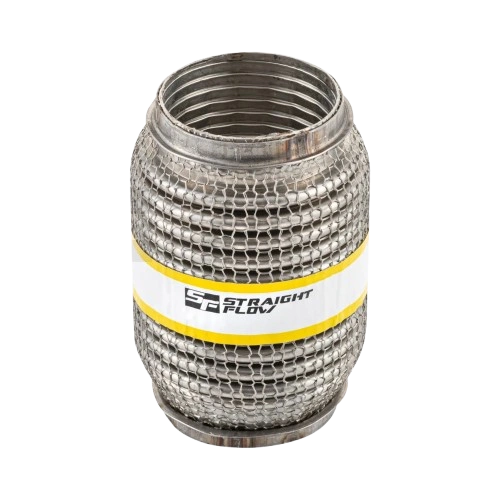
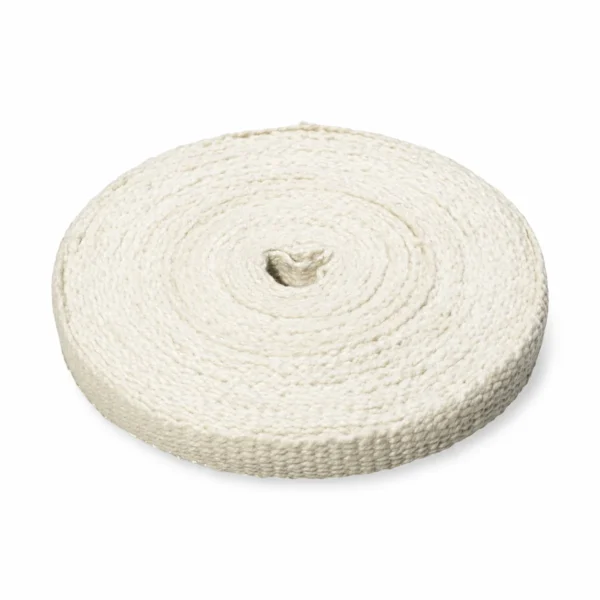
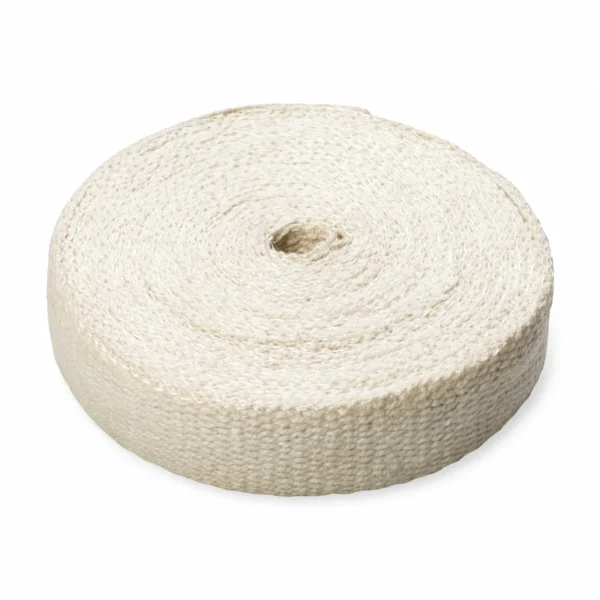
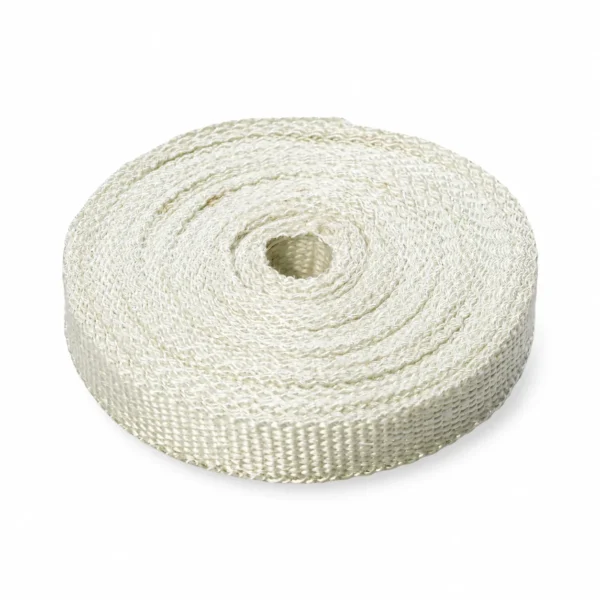
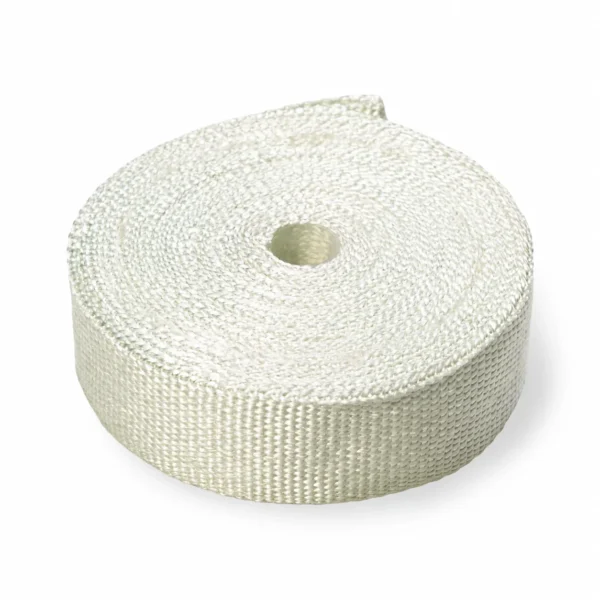
Shop exhaust heat wrap, turbo blankets, thermal sleeves, reflective heat shields and high-temperature insulation materials. Choose from fiberglass, ceramic, titanium and aluminium products designed to protect exhaust systems, engine bays, wiring, hoses and other heat-sensitive components.
[sf_more]
Heat Resistant Materials for Exhaust and Turbo Systems
Exhaust systems and turbochargers generate very high temperatures. As a result, nearby components may face constant radiant heat during normal driving, track use or motorsport operation.
Heat resistant materials help manage this temperature. For example, exhaust wrap keeps heat closer to the pipe surface. Meanwhile, reflective barriers help deflect radiant heat away from sensitive components.
Straightflow offers several types of automotive heat protection. Therefore, fabricators can choose a suitable product for exhaust tubing and elbows, turbochargers, wastegates, cables, hoses, firewalls and engine bay panels.
Exhaust Heat Wrap
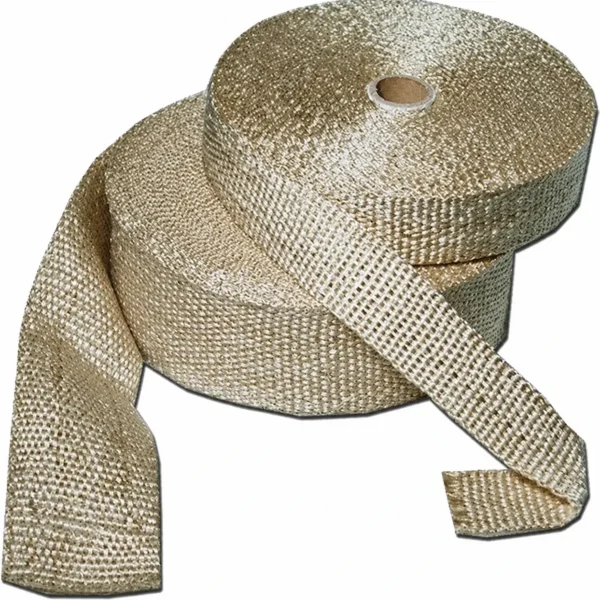
Exhaust heat wrap covers exhaust manifolds, downpipes and other hot pipe sections. It creates an insulating layer around the metal and reduces the amount of heat that reaches nearby components.
Fabricators often use exhaust wrap in compact engine bays where the exhaust runs close to wiring, hoses or intake parts. In addition, performance vehicles may use it around manifolds, turbo downpipes and other custom exhaust pipe sections.
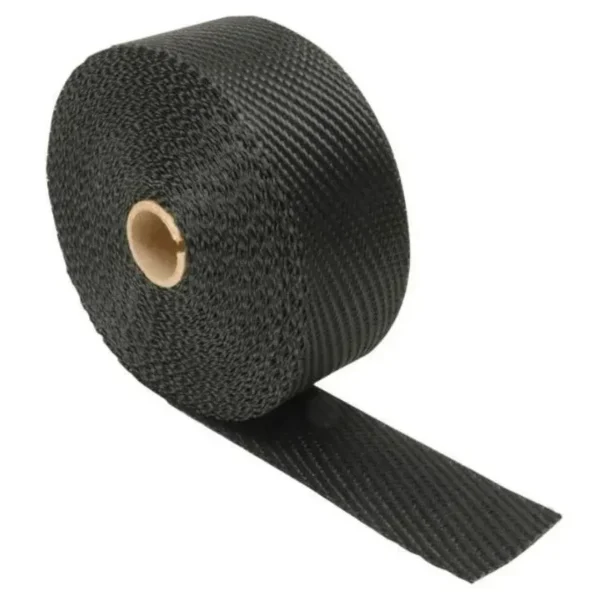
Straightflow offers exhaust wraps in different materials, widths and temperature ratings. The range includes fiberglass wrap, ceramic wrap, titanium wrap, black titanium-style wrap and aluminium-faced wrap.
Benefits of Exhaust Heat Wrap
Exhaust wrap can support several practical goals. However, the final result depends on the installation, pipe material and operating temperature.
Key benefits may include:
- Lower radiant heat around exhaust components
- Extra protection for nearby hoses and wiring
- Reduced heat transfer into the engine bay
- Better thermal control around turbo systems
- A cleaner appearance on custom exhaust builds
- Support for heat management in motorsport vehicles
Exhaust wrap does not remove heat from the system. Instead, it helps keep more heat close to the wrapped component. Therefore, the installer must choose the correct product and apply it properly.
Fiberglass Exhaust Wrap
Fiberglass exhaust wrap provides a practical and economical option for general exhaust heat control. Straightflow offers fiberglass wraps in different widths, including narrow and standard-width versions.
These wraps suit manifolds, headers, downpipes and other exhaust sections within the product’s stated temperature range. Moreover, the flexible construction makes it easier to wrap curved pipes and complex shapes.
Wear gloves and suitable protective clothing during installation. Fiberglass fibres can irritate the skin, especially while cutting and fitting the material.
Ceramic Exhaust Wrap
Ceramic exhaust wrap suits applications that require stronger resistance to high temperatures. It can protect exhaust sections that operate above the limits of standard fiberglass products.
Straightflow offers ceramic wrap in different widths. Therefore, installers can choose a narrow wrap for tight bends or a wider version for larger and straighter pipe sections.
Ceramic materials also provide useful thermal insulation in turbocharged and motorsport applications. However, always follow the temperature rating stated on the individual product page.
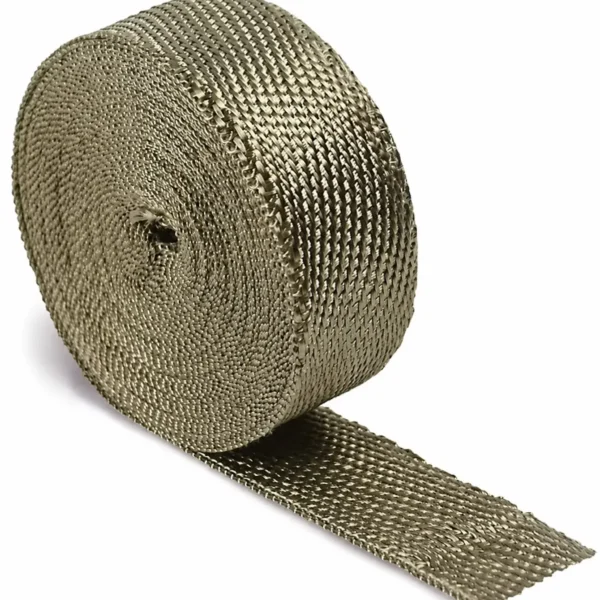
Titanium Exhaust Wrap
Titanium-style exhaust wrap combines high heat resistance with a flexible woven structure. It works well on exhaust manifolds, turbo downpipes and performance exhaust systems.
The Straightflow range includes titanium wraps with several widths and temperature specifications. Some products offer ratings of up to 1000 °C or 1500 °C, depending on the specific design.
In addition, titanium wrap often requires less preparation than traditional fiberglass wrap. Nevertheless, careful overlapping and secure fastening remain essential.
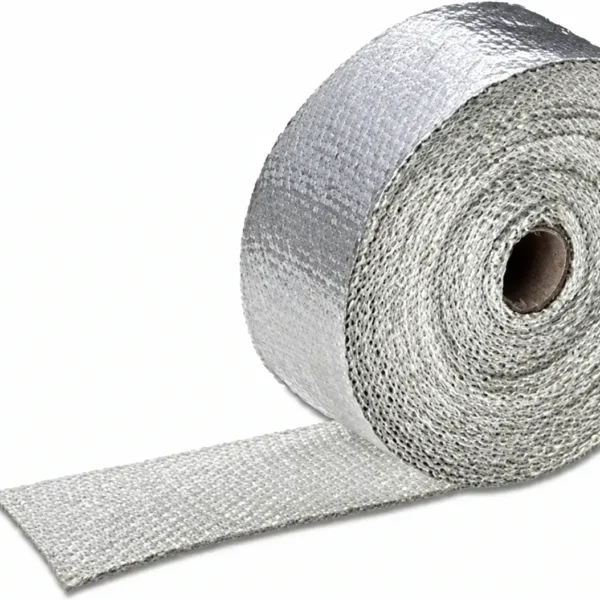
Aluminium Exhaust Wrap
Aluminium-faced exhaust wrap combines insulation with a reflective outer surface. The aluminium layer helps reflect radiant heat, while the insulating layer reduces direct heat transfer.
This type of material can protect exhaust sections, heat-sensitive panels and nearby engine bay components. However, sharp bends and irregular shapes may require careful installation to avoid damaging the reflective surface.
How to Install Exhaust Heat Wrap
First, clean the exhaust pipe and remove oil, rust or loose surface material. Next, start wrapping from one end of the component and overlap each layer consistently.
A typical installation process includes:
- Measuring the pipe section before cutting the wrap
- Following the product instructions regarding wet or dry installation
- Keeping the overlap even along the full pipe
- Securing the ends with stainless steel ties or suitable clamps
- Checking clearance around moving and heat-sensitive parts
Suitable clamps, ties and other installation components can be found in the exhaust mounting parts category.
After installation, some wraps may produce smoke or odour during the first heat cycles. This can happen as moisture and manufacturing residues leave the material. Therefore, perform the first heat cycle in a well-ventilated area.
Turbo Blankets and Turbo Covers
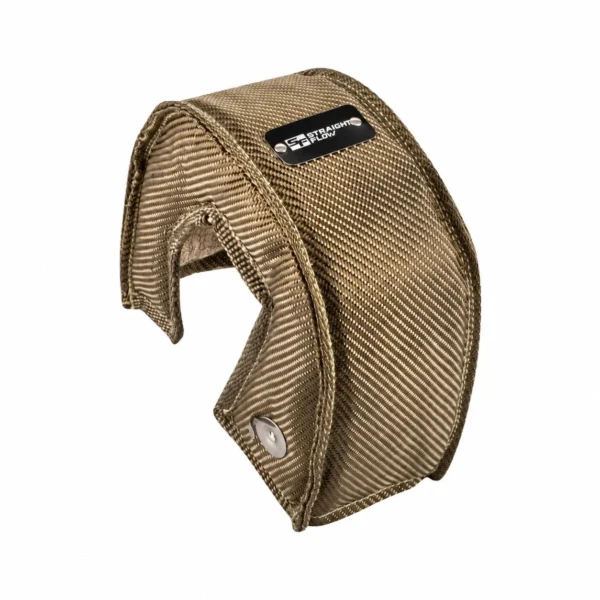
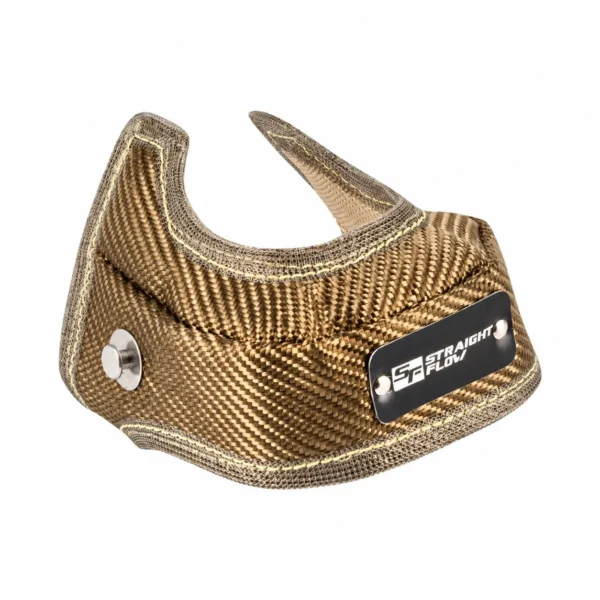
A turbo blanket covers the hot turbine housing of a turbocharger. It helps contain radiant heat and protects nearby components inside the engine bay.
Straightflow offers titanium turbo covers for several turbo sizes, including T25, T3, T4, T6 and T78/88 applications. As a result, customers can select a blanket according to the turbocharger housing size and shape.
A correctly fitted turbo blanket may help protect intake pipes, wiring, hoses and painted surfaces. In addition, it can reduce the amount of radiant heat that spreads through a compact engine bay.
How to Choose a Turbo Blanket
Do not choose a turbo cover only by its general appearance. Instead, confirm the turbocharger frame size and measure the turbine housing.
Before ordering, check:
- Turbocharger model or frame size
- Turbine housing dimensions
- Wastegate configuration
- Available clearance around the turbo
- Required temperature rating
- Location of oil and coolant lines
The blanket should cover the turbine housing without blocking moving parts or creating pressure on oil and coolant connections.
Wastegate Heat Covers
External wastegates also operate close to hot exhaust gases. Therefore, a wastegate cover can reduce radiant heat around the valve body and nearby components.
Straightflow offers titanium-style wastegate covers for several common sizes, including 38 mm, 40–45 mm, 50 mm and 60 mm applications.
Choose the cover according to the actual wastegate dimensions. In addition, make sure that the material does not interfere with the actuator, hoses or valve movement.
Thermal Insulation Sleeves
Thermal insulation sleeves protect cables, hoses and pipes that run close to hot components. They create a barrier between the heat source and the protected item.
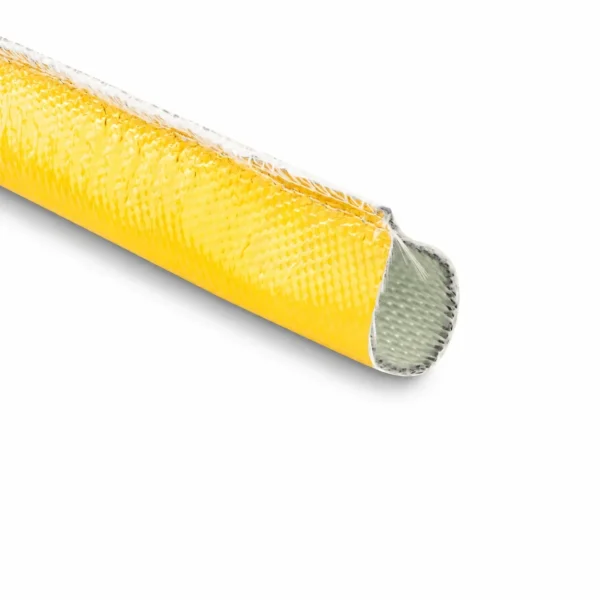
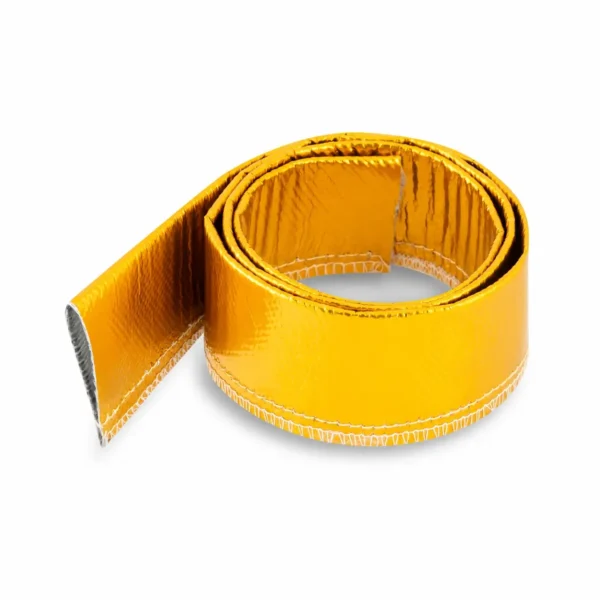
Straightflow offers standard thermal sleeves and gold reflective Velcro sleeves in several internal diameters. Available sizes cover many common automotive hoses, cable groups and fluid lines.
Velcro heat sleeves provide easier installation because the technician can fit them without disconnecting the complete hose or cable assembly. Therefore, they work especially well for repairs and upgrades in finished engine bays.
Gold Reflective Heat Sleeving
Gold reflective heat sleeving helps deflect radiant heat from exhaust manifolds, turbochargers and downpipes. The reflective exterior reduces the amount of radiant energy that reaches the protected hose or cable.
These sleeves can protect:
- Electrical wiring
- Fuel and oil lines
- Brake and clutch hoses
- Coolant pipes
- Air conditioning lines
- Sensor cables
For the best result, leave some space between the sleeve and the heat source. Direct contact with an extremely hot exhaust component may exceed the sleeve’s intended use.
Reflective Heat Shields and Heat Barrier Sheets
Reflective heat barriers protect larger surfaces against radiant heat. Fabricators can install them near exhaust systems, turbochargers, firewalls, floors and engine bay panels.
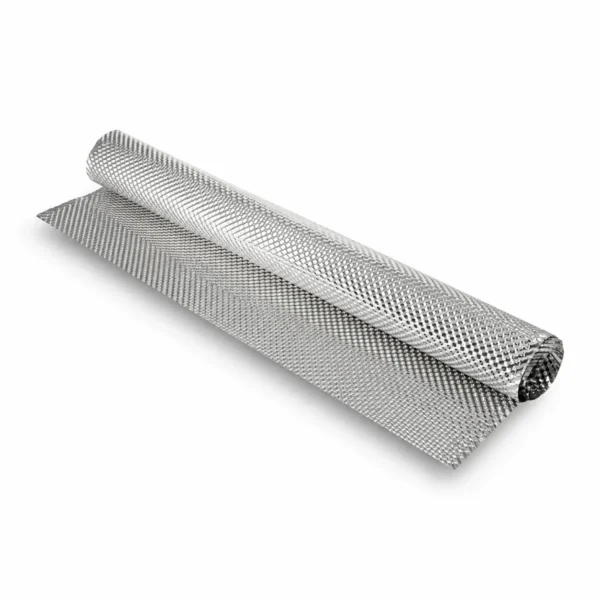
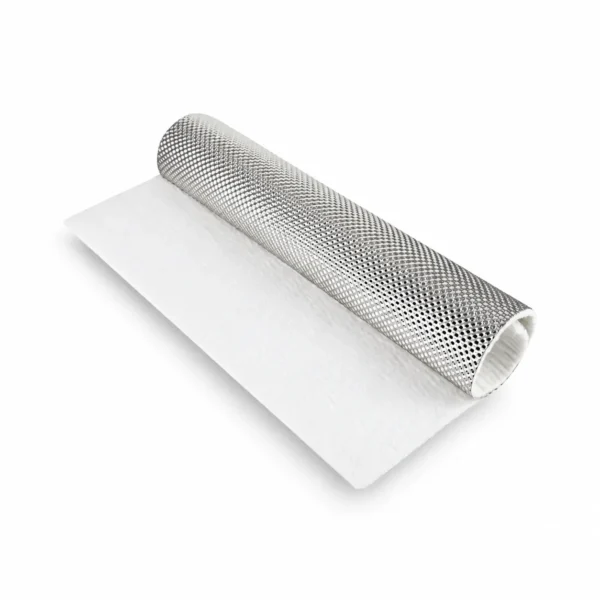
The Straightflow range includes gold reflective sheets, black heat reflective material, aluminium heat protection plates and high-temperature aluminized silica fabric.
Unlike exhaust wrap, a reflective sheet normally sits on or near the component that requires protection. Therefore, it reflects heat before that energy reaches the protected surface.
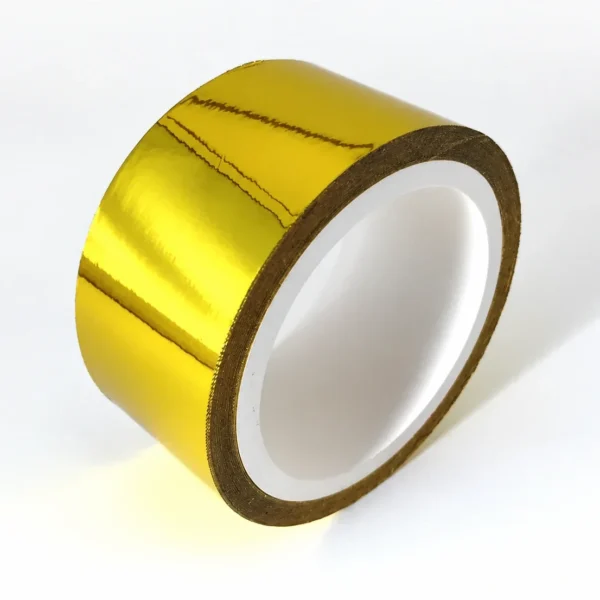
Gold Heat Reflective Material
Gold heat reflective material works well on intake boxes, body panels, firewalls and other surfaces near a strong radiant heat source.
First, clean and degrease the mounting surface. Then, cut the material to shape and apply it without wrinkles or trapped air. In addition, seal or secure the edges when the installation environment requires extra support.
Do not apply an adhesive heat shield directly to a surface that exceeds the product’s temperature rating.
Aluminium Heat Protection Plates
An aluminium heat resistance plate creates a physical barrier between a hot component and the protected area. It can help shield firewalls, floors, body panels and nearby engine bay parts.
A small air gap improves the performance of many metal heat shields. Therefore, installers often mount the plate with spacers rather than placing it directly against the heat source.
The plate may require cutting, shaping or drilling during installation. As a result, professional fabrication tools help create a clean and secure fit.
Heat Resistant Fabric and Insulation Sheets
Flexible insulation sheets can protect irregular surfaces and areas where a rigid metal shield would not fit. The range includes stainless steel and cotton insulation, high-temperature cotton sheets and aluminized silica fabric.
Some Straightflow insulation products offer temperature ratings of up to 1000 °C. Therefore, they can support demanding exhaust and motorsport applications when installed according to the product specification.
Always consider both the continuous operating temperature and short-term peak temperature. These values may differ, depending on the material.
Heat Resistant Tape
Heat resistant tape secures insulation materials, covers seams and provides local protection around cables or panels. Straightflow offers aluminium foil glass fabric tapes in different widths and temperature ratings.
The range includes products rated for applications around 120 °C and higher-temperature versions rated around 260 °C. Consequently, customers should not treat every reflective tape as suitable for direct exhaust contact.
Check the adhesive temperature limit as well as the outer material rating. The reflective surface may resist more heat than the adhesive layer beneath it.
Direct Heat vs Radiant Heat
Direct heat and radiant heat require different protection methods.
- Direct heat reaches a material through physical contact with a hot component.
- Radiant heat travels from a hot surface to nearby components without direct contact.
Exhaust wrap primarily insulates the heat source. In contrast, reflective sheets and sleeves protect components against radiant heat. Therefore, many demanding installations use both methods.
Choosing the Correct Temperature Rating
Always choose a material that can handle the actual operating environment. Do not rely only on the highest advertised temperature.
Before ordering, consider:
- Normal continuous operating temperature
- Possible short-term temperature peaks
- Distance from the exhaust or turbocharger
- Direct contact or radiant heat exposure
- Airflow around the protected area
- Road, track or motorsport use
- Moisture, oil and chemical exposure
When the expected temperature approaches the product limit, choose a higher-rated material. In addition, maintain a suitable safety margin for demanding performance applications.
Applications
Straightflow heat resistant materials suit many automotive and fabrication projects, including:
- Exhaust manifold insulation
- Turbocharger heat management
- Downpipe and exhaust pipe wrapping
- Wastegate heat protection
- Firewall and floor insulation
- Protection for hoses and wiring
- Motorsport and track vehicles
- Custom engine bay fabrication
- Classic car and performance vehicle builds
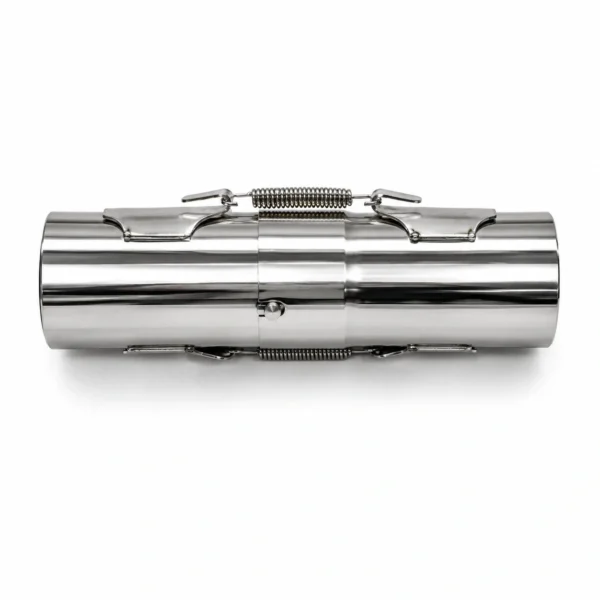
For complete exhaust heat management, combine these materials with compatible exhaust tubing and elbows, exhaust flex pipes, catalytic converters, mufflers and resonators and suitable mounting components.
Why Choose Straightflow Heat Resistant Materials?
Straightflow offers heat protection products for both professional and individual automotive projects. Moreover, the category includes several material types, dimensions and temperature ratings.
Key advantages include:
- Fiberglass, ceramic and titanium exhaust wraps
- Wraps for temperatures up to 1500 °C, depending on the product
- Turbo blankets for several turbo frame sizes
- Wastegate covers in common dimensions
- Thermal sleeves for cables, hoses and pipes
- Gold and black reflective heat barriers
- Aluminium firewall and heat protection plates
- Heat resistant fabrics and insulation sheets
- Reflective tapes in different widths
- Products for road, performance and motorsport applications
As a result, fabricators can combine several products to create a complete heat management solution.
[sf_faq]
What is exhaust heat wrap used for?
Exhaust heat wrap insulates manifolds, headers, downpipes and exhaust pipes. It helps reduce the radiant heat that reaches nearby engine bay components.
Does exhaust wrap reduce engine bay temperature?
It can reduce radiant heat around the wrapped exhaust section. However, the result depends on the pipe temperature, wrap material, coverage and engine bay airflow.
Which exhaust wrap should I choose?
Choose the material according to the expected temperature and intended use. Fiberglass suits many standard applications, while ceramic and titanium wraps suit higher-temperature performance systems.
What width of exhaust wrap should I use?
Narrow wrap fits tight bends and small-diameter pipes more easily. In contrast, wider wrap covers straight and larger pipe sections faster.
Can I wrap a turbocharger?
Use a correctly sized turbo blanket rather than standard pipe wrap around the turbine housing. A purpose-made blanket provides a better fit and allows safer installation around turbo connections.
How do I choose the correct turbo blanket?
Confirm the turbocharger frame size and turbine housing dimensions. Then, check that the blanket will not obstruct oil lines, coolant lines or wastegate components.
What does a wastegate heat cover do?
A wastegate cover helps reduce radiant heat around an external wastegate. It can also protect nearby hoses, wiring and engine bay components.
What is a thermal insulation sleeve?
A thermal sleeve covers a hose, cable or pipe and protects it against nearby heat sources. Reflective sleeves work especially well against radiant heat.
Can I install a Velcro heat sleeve without disconnecting the hose?
Yes. The opening allows you to fit the sleeve around an existing hose or cable group. Therefore, it simplifies installation in a completed engine bay.
What is gold reflective heat material used for?
Gold reflective material helps protect intake parts, firewalls, body panels, cables and other surfaces against radiant heat from exhaust and turbo components.
Should a metal heat shield touch the exhaust?
No. A gap between the heat shield and exhaust usually improves protection. Direct contact can transfer heat into the shield and may exceed the material’s intended use.
Can heat resistant tape touch an exhaust pipe?
Only use tape according to its stated temperature rating. Many adhesive tapes suit radiant heat protection but not direct contact with an exhaust manifold or downpipe.
What is the difference between continuous and peak temperature?
Continuous temperature describes the heat a material can withstand for longer periods. Peak temperature describes a higher level that it can tolerate only briefly.
Can exhaust wrap damage an exhaust pipe?
Incorrect installation may trap moisture or expose the pipe to excessive retained heat. Therefore, inspect the pipe condition, choose a suitable material and follow the manufacturer’s installation guidance.
Do I need professional installation?
Simple sleeves and reflective sheets may allow straightforward installation. However, turbo blankets, exhaust wrapping and custom heat shields require accurate fitting and safe clearance from moving or flammable components.