
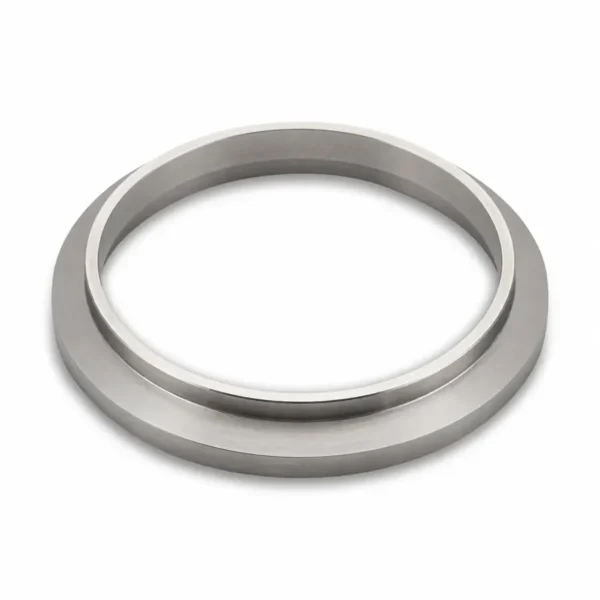
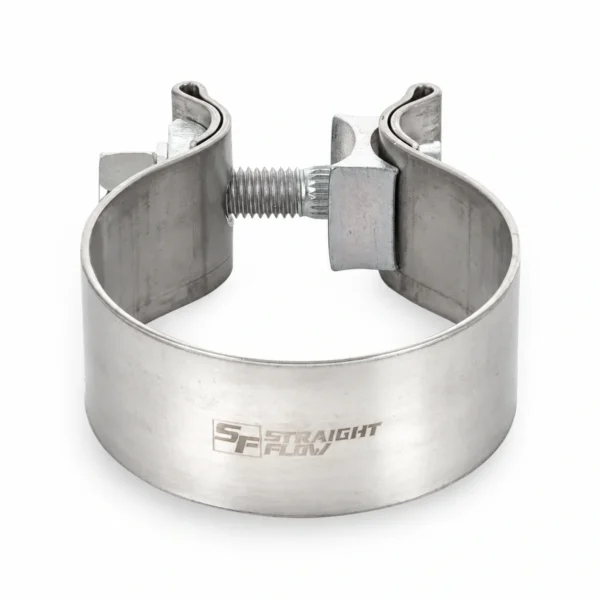
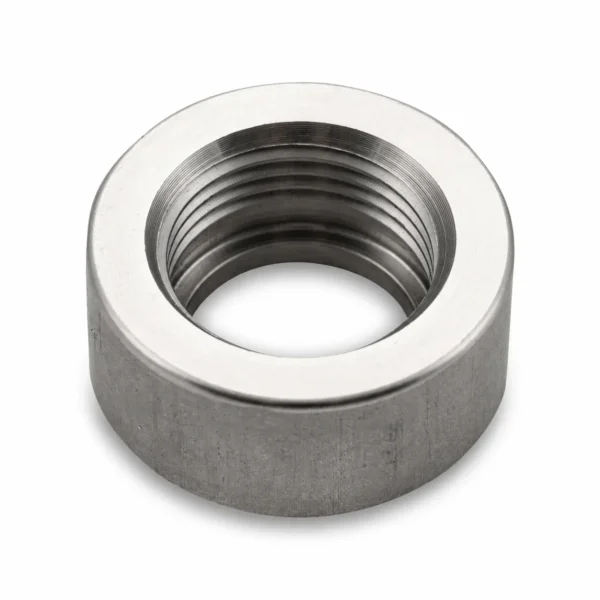
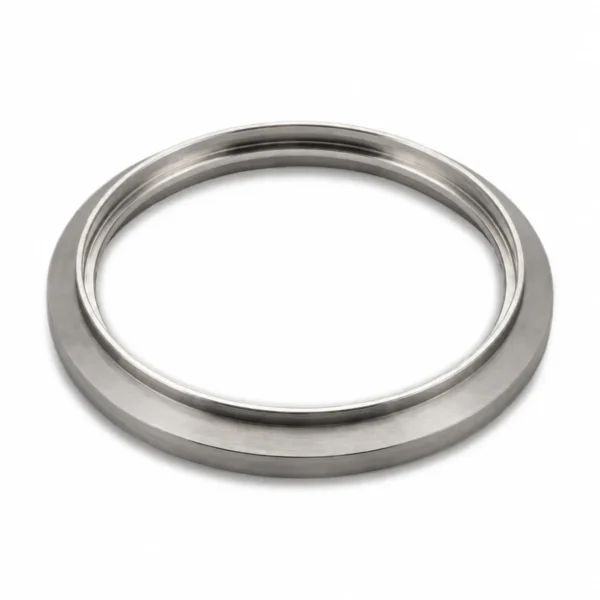
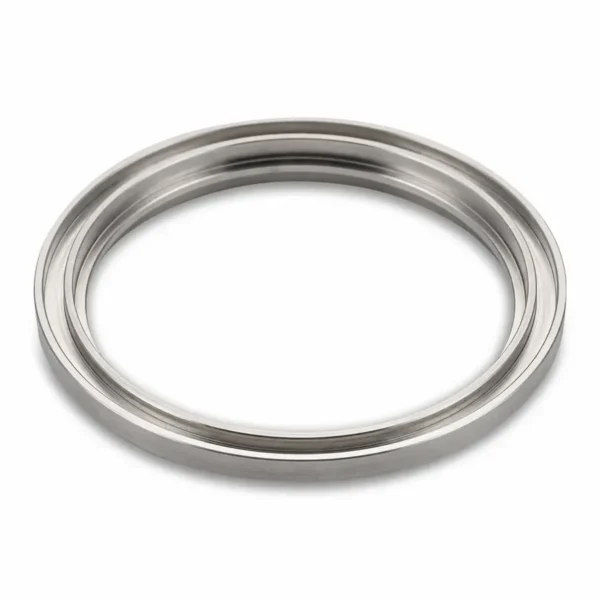
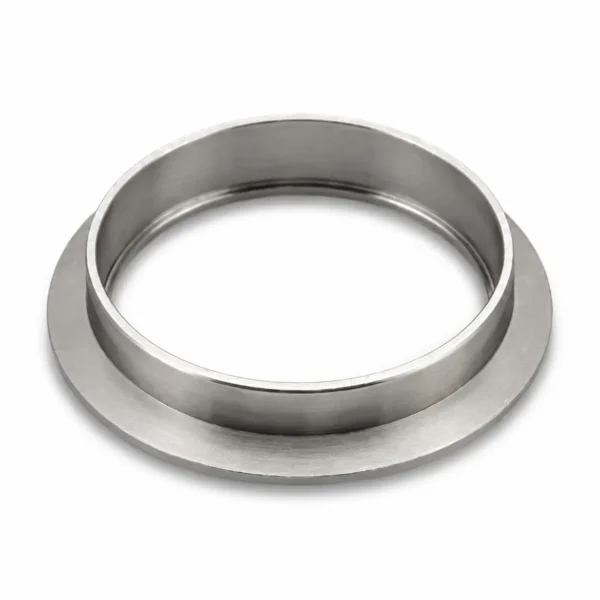
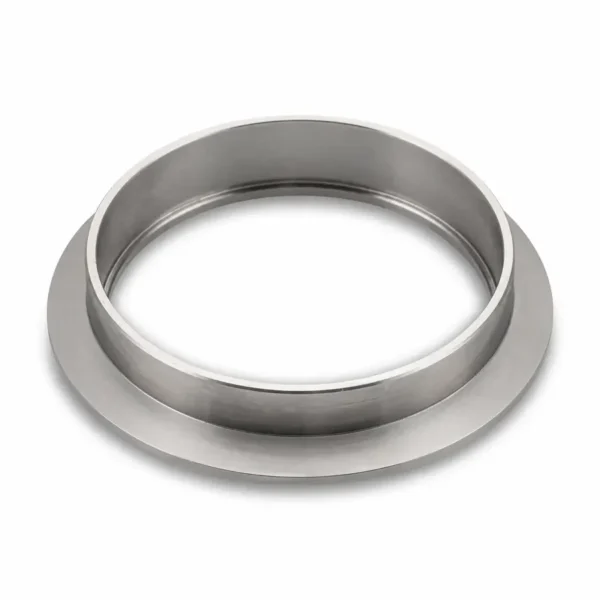
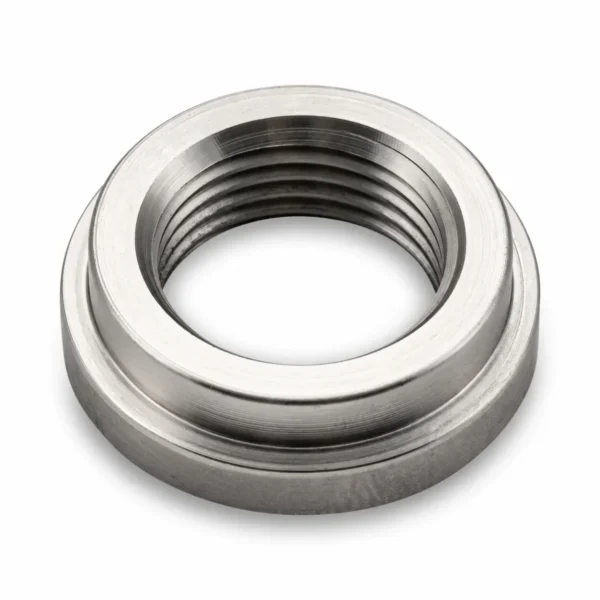
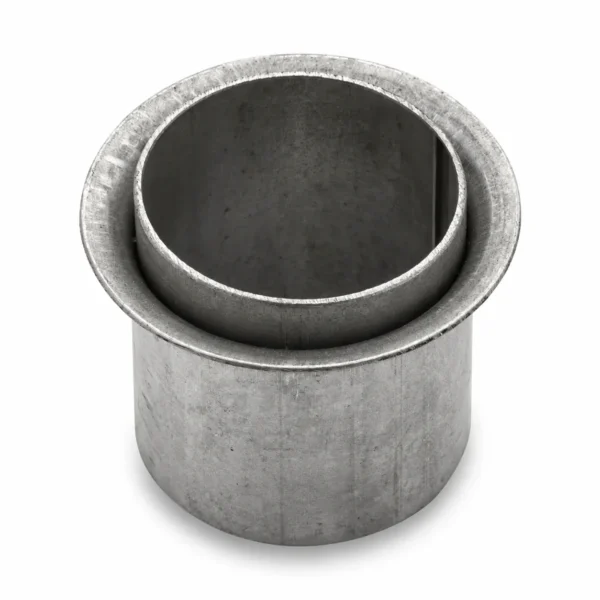
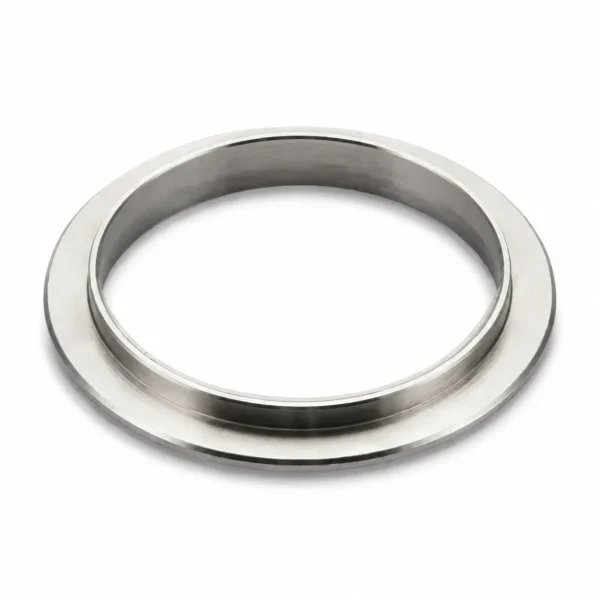
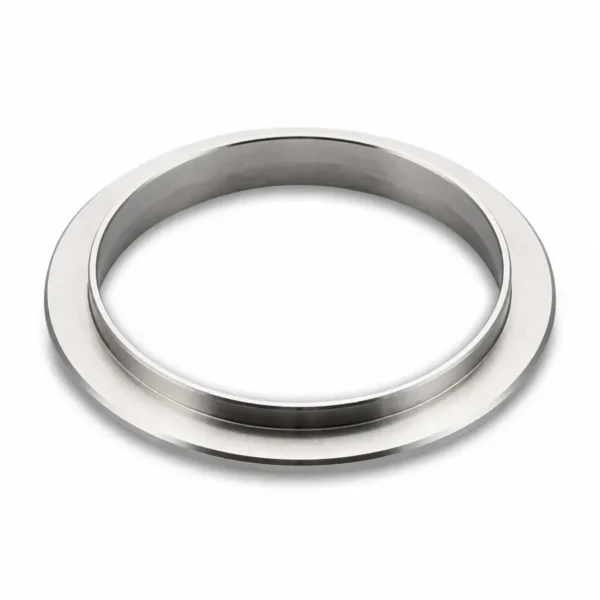
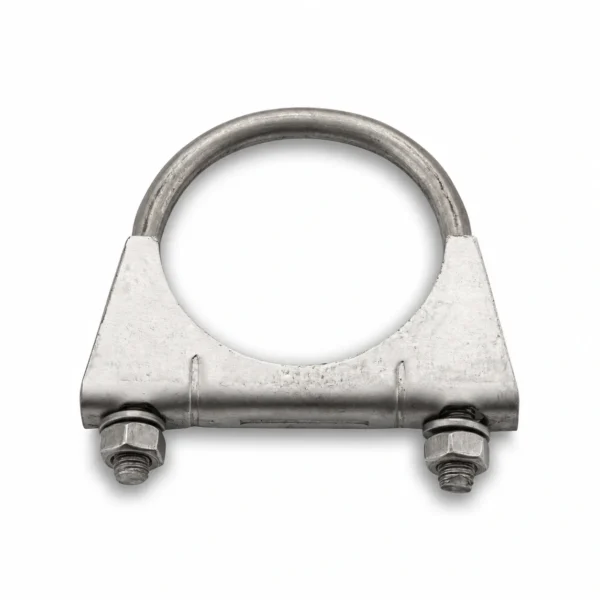
Shop universal exhaust mounting parts for repairs, performance upgrades and custom fabrication. Choose from V-band connectors, exhaust clamps, stainless steel flanges, sensor adapters, pipe connectors, T-pipes, Y-pipes and X-pipes in multiple sizes.
[sf_more]
Exhaust Mounting Parts and Fabrication Components
A reliable exhaust system needs more than pipes, mufflers and catalytic converters. Every section also needs strong connections, accurate alignment and suitable mounting hardware. For this reason, exhaust fabricators use clamps, flanges, adapters and pipe connectors throughout the system.
Straightflow offers mounting and connection parts for professional exhaust repair and custom fabrication. The range covers removable connections, welded joints, sensor mounting points and pipe branching components. These products can be combined with exhaust tubing and elbows to create complete custom systems.
Most products in this category are universal. Therefore, always verify the diameter, dimensions, material and connection design before ordering.
V-Band Connectors and Clamps
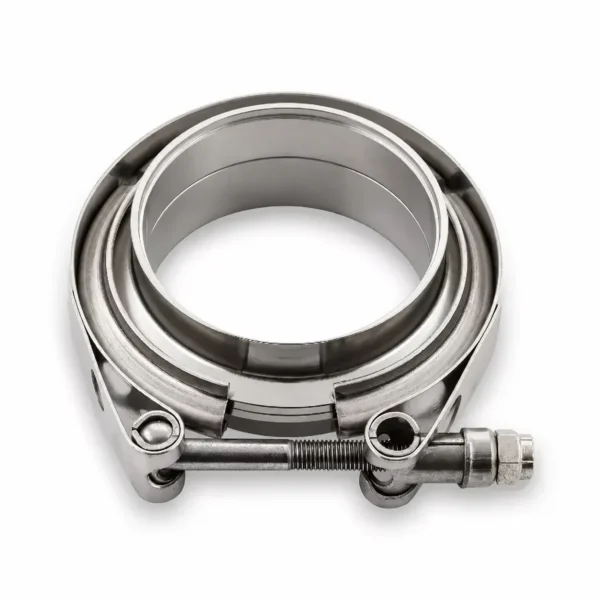
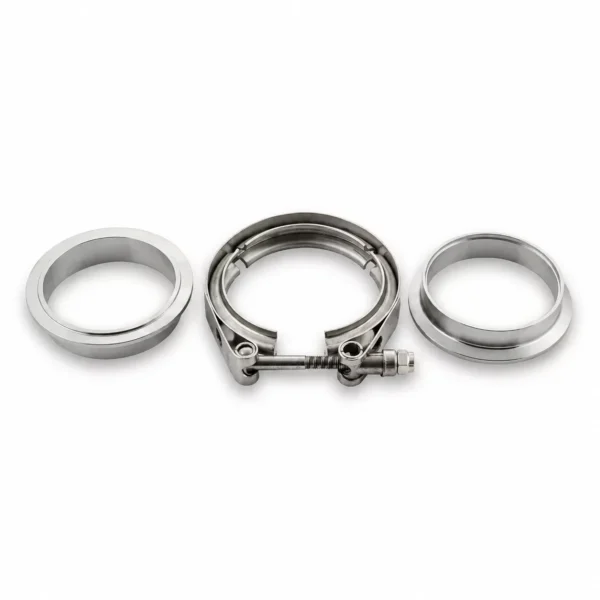
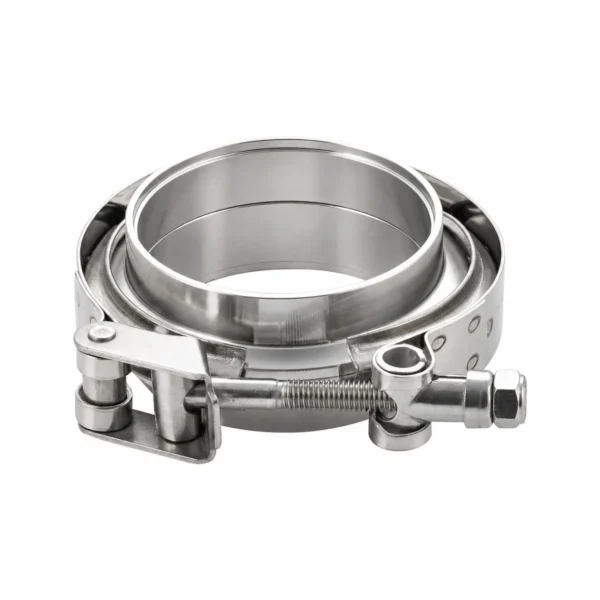
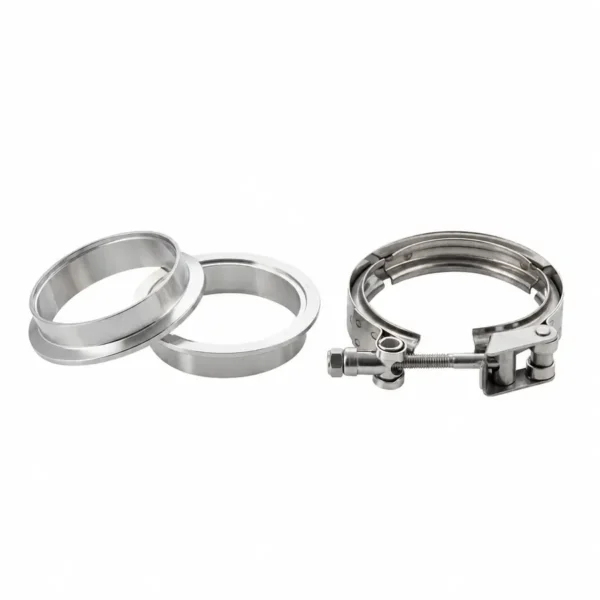
A V-band connector creates a compact and removable connection between two exhaust sections. It normally uses two matching flanges and an external V-shaped clamp.
When the installer tightens the clamp, it pulls both flanges together. Consequently, the joint stays aligned and creates a secure connection without using a traditional multi-bolt flange.
Straightflow offers V-band connectors in several common exhaust diameters. The range also includes selected quick-release versions. Therefore, fabricators can choose suitable connections for turbo downpipes, rear exhaust sections and custom performance systems.
Benefits of V-Band Exhaust Connections
V-band systems provide several advantages during fabrication and maintenance:
- Compact connection design
- Quick removal and reinstallation
- Accurate pipe alignment
- No loose gasket between some flange designs
- Strong clamping around the full circumference
- Suitable construction for turbo and performance systems
- Cleaner appearance than many multi-bolt connections
However, both flanges must align correctly. Poor alignment can create leaks, uneven clamp load or unnecessary stress on the pipe.
How to Choose the Correct V-Band Connector
First, measure the outside diameter of the exhaust pipe. Next, compare it with the stated connector size. Do not rely only on inch conversions because metric and imperial sizes may differ slightly.
Before ordering, check:
- Pipe outside diameter
- Flange internal diameter
- Material and wall thickness
- Male-female or flat flange design
- Clamp type
- Available installation space
- Required temperature resistance
In addition, confirm that both sides of the joint use compatible flange profiles. Two parts with the same nominal diameter may still use different sealing designs.
Quick-Release V-Band Clamps
A quick-release V-band clamp allows faster opening without fully removing the fastening hardware. This feature can help on systems that require regular access or disassembly.
For example, motorsport vehicles may need frequent turbo, downpipe or exhaust maintenance. In these cases, a quick-release design can reduce workshop time.
Nevertheless, the installer must still tighten the clamp correctly. A quick-release mechanism does not compensate for damaged flanges or poor pipe alignment.
Two-Bolt Exhaust Pipe Connectors
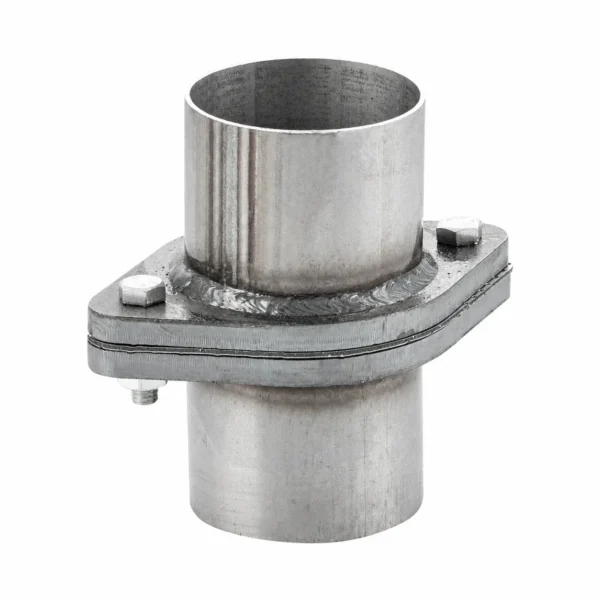
A two-bolt pipe connector joins two exhaust sections with matching stainless steel connection plates and fastening hardware. This design creates a removable joint while using fewer fasteners than many traditional flanges.
Straightflow offers full stainless steel two-bolt connectors for several tube diameters. Therefore, fabricators can use them in repairs, rear exhaust sections and custom systems that require future disassembly.
A two-bolt connector may suit installations where a V-band is not required or where the available layout favours a flat connection design.
Exhaust Pipe Connectors
Exhaust pipe connectors join separate tubing sections and help maintain correct alignment. Depending on the product, the connection may use flanges, bolts, clamps or welded ends.
Straightflow offers flange-style pipe connectors for several common pipe sizes. These products help workshops create removable joints between stainless steel mufflers and resonators, catalytic converters and pipe sections.
Before installation, check the complete connector dimensions. Also confirm the bolt spacing, flange thickness and pipe diameter.
Stainless Steel Exhaust Flanges
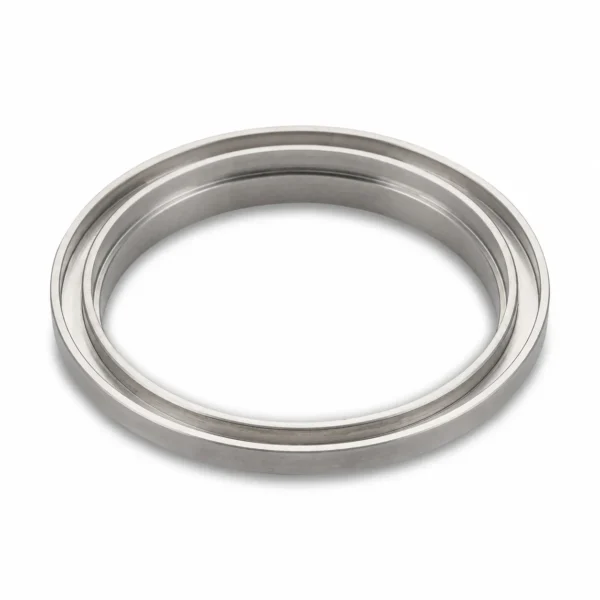
An exhaust flange provides a strong connection point between two components. Fabricators often use flanges near turbochargers, downpipes, manifolds and removable exhaust sections.
Straightflow supplies universal and application-shaped stainless steel flanges. The range includes selected turbo flanges for different engine and turbocharger configurations.
Stainless steel provides good resistance to heat and corrosion. Moreover, it offers a durable welding surface for custom exhaust fabrication.
Turbo Flanges
A turbo flange connects a turbocharger outlet or related component to a custom downpipe. The flange shape, bolt pattern and opening must match the intended turbo or engine connection.
The category includes several shaped turbo flanges for selected BMW engine and turbo applications. However, model names alone do not guarantee compatibility with every vehicle version.
Therefore, compare:
- Bolt pattern
- Port shape
- Flange thickness
- Engine or turbocharger code
- Sensor and wastegate layout
- Available installation space
Accurate flange alignment helps prevent leaks and reduces stress on the downpipe. A correctly selected exhaust flex pipe can also help isolate engine movement from the remaining exhaust system.
Exhaust Clamps
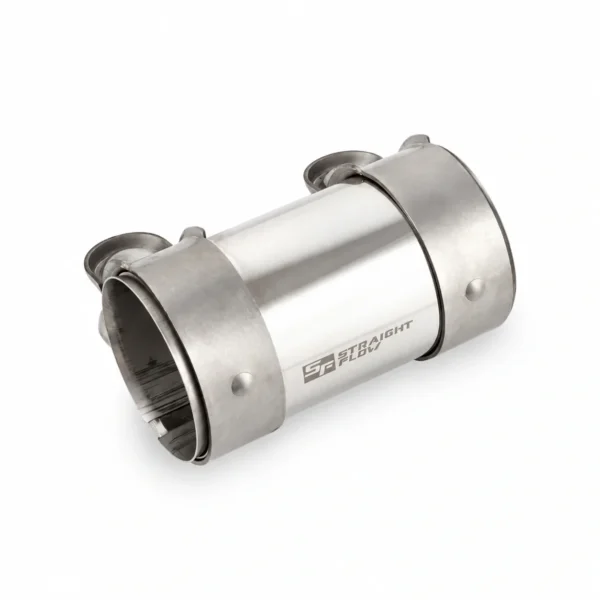
Exhaust clamps secure pipe connections without creating a permanent welded joint. They allow easier installation and may simplify future repairs.
Straightflow offers several clamp types, including:
- Stainless steel U-clamps
- O-band clamps
- MB clamps
- V-band clamps
- Other pipe connection clamps
Each design applies pressure differently. Therefore, choose the clamp according to the pipe joint and required level of removability.
Stainless Steel U-Clamps
A U-clamp uses a U-shaped bolt, saddle and nuts to tighten one pipe section around another. It provides a simple and familiar solution for sleeved exhaust joints.
U-clamps suit repairs and standard exhaust installations. In addition, stainless steel construction improves corrosion resistance compared with untreated mild steel hardware.
However, excessive tightening can deform the exhaust pipe. Therefore, tighten the clamp evenly and only as much as the connection requires.
O-Band Exhaust Clamps
An O-band clamp wraps around the pipe connection and applies pressure over a wider area than a basic U-clamp. This design can create a cleaner joint and reduce concentrated pipe deformation.
Straightflow offers stainless steel O-band clamps in different diameters. They suit compatible sleeved or overlapping exhaust connections.
Before ordering, check the outside diameter of the completed joint rather than only the original pipe diameter.
MB Exhaust Clamps
MB clamps provide another connection option for exhaust tubing and compatible components. Depending on the design, they may support repair work, factory-style connections or custom fabrication.
Always inspect the product dimensions and intended pipe size. In addition, confirm whether the clamp needs a sleeve, expanded pipe end or matching connector.
Welded vs Clamped Exhaust Connections
Both methods can create reliable exhaust joints. However, they serve different needs.
- Welded joints create permanent and compact connections.
- Clamped joints allow easier disassembly and future replacement.
- Flanged joints offer strong removable connections.
- V-band joints combine compact dimensions with quick removal.
A welded system may reduce the number of potential leak points. In contrast, removable connections simplify maintenance and component replacement.
Therefore, many professional exhaust systems use a combination of welded and removable joints.
Lambda Sensor Bushings and Adapters
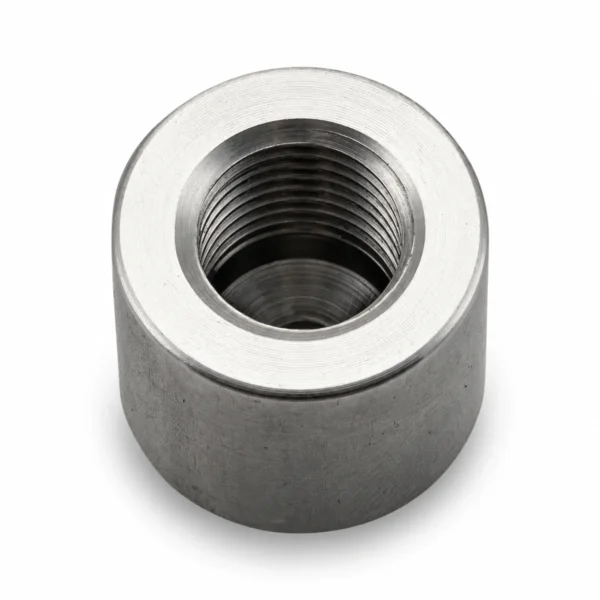
A lambda sensor bushing creates a threaded mounting point for an oxygen sensor. Fabricators weld the bushing into an exhaust pipe or downpipe.
Straightflow offers sensor bushings in several thread and body dimensions. The range includes common lambda sensor fittings as well as application-specific adapters.
Correct positioning matters because the sensor must reach the exhaust gas stream without touching the opposite pipe wall.
NOx Sensor Bushings
NOx sensors monitor nitrogen oxide levels in many modern diesel and emissions-control systems. A compatible bushing provides the required threaded mounting point.
Before choosing a NOx sensor adapter, confirm the sensor thread, body diameter and installation angle. An incorrect adapter may damage the thread or position the sensor poorly.
In addition, keep enough space for the sensor body, wiring and removal tools.
Temperature Sensor Adapters
Exhaust gas temperature sensors require a secure and accurately sized threaded mounting point. Straightflow offers selected temperature sensor bushings for custom and repair applications.
Fabricators may use these adapters near turbochargers, catalytic converters, diesel particulate filters or other monitored exhaust sections.
However, sensor location affects the measured temperature. Therefore, follow the vehicle, engine management or tuning requirements when selecting the mounting position.
How to Install an Exhaust Sensor Bushing
First, identify the correct sensor position. Next, drill a suitable opening in the exhaust pipe. Then, align and weld the bushing without damaging its internal thread.
During installation:
- Keep the bushing square to the pipe surface
- Protect the thread from welding spatter
- Avoid positioning the sensor underneath the pipe where condensation may collect
- Leave enough space for wiring and removal
- Check clearance from the vehicle body
- Use the correct sensor thread
After welding, inspect the joint for leaks and clean the thread before fitting the sensor.
T-Pipe Exhaust Connectors
A T-pipe creates a 90-degree branch from a main exhaust or fabrication pipe. It can divide, join or redirect gas flow, depending on the system design.
Fabricators may use T-pipes in custom exhaust systems, valve-controlled sections or specialised fabrication projects. However, a sharp branch can create turbulence.
Therefore, plan the pipe diameter and flow direction carefully before using a T-shaped connection.
Y-Pipe Exhaust Sections
A Y-pipe combines two exhaust paths into one or divides one pipe into two. Its smoother branch angle generally supports more gradual flow than a sharp T-pipe.
Common applications include:
- Dual-to-single exhaust systems
- Single-to-dual rear exhaust conversions
- V-engine exhaust systems
- Custom turbo and performance projects
- Dual muffler layouts
The inlet and outlet diameters must match the intended system. In addition, the branch angle should suit the available underbody space.
X-Pipe Exhaust Sections
An X-pipe connects two parallel exhaust banks and allows exhaust pulses to cross between them. Fabricators commonly use X-pipes in dual exhaust systems.
A correctly placed X-pipe may help balance exhaust pulses and refine the exhaust tone. Moreover, it can support smoother interaction between both banks.
However, the final result depends on engine design, pipe diameter and X-pipe position. Therefore, it should form part of a complete exhaust system plan.
X-Pipe vs Y-Pipe
An X-pipe and Y-pipe perform different tasks:
- An X-pipe connects two parallel exhaust paths while keeping two outlets.
- A Y-pipe combines two pipes into one or divides one pipe into two.
An X-pipe commonly appears in true dual exhaust systems. In contrast, a Y-pipe suits dual-to-single and single-to-dual layouts.
Choosing the Correct Exhaust Connection Diameter
Accurate diameter selection prevents leaks and simplifies fabrication. Therefore, measure the pipe rather than estimating the size from the existing component.
Check:
- Pipe outside diameter
- Connector inside diameter
- Expanded or non-expanded pipe ends
- Material thickness
- Metric and imperial size differences
- Whether the joint uses welding or clamping
For example, a nominal 2.5-inch connection may not match every 63 mm component perfectly. Therefore, compare the actual listed measurements.
Stainless Steel Exhaust Mounting Parts
Stainless steel resists heat, moisture and road salt better than untreated mild steel. As a result, it suits long-term exhaust fabrication and performance applications.
However, not every stainless steel grade offers the same corrosion resistance. Product pages may list different alloys depending on the component.
Whenever possible, match the connector material with the surrounding exhaust tubing. This approach simplifies welding and helps create a consistent system.
Planning Removable Exhaust Sections
Removable sections make future repairs easier. For example, a fabricator may place connectors near a catalytic converter, turbo downpipe, rear muffler or resonator or centre exhaust section.
Before welding any flange or connector, support the complete exhaust system in its natural position. Then, check alignment and clearance.
A good removable joint should:
- Open without forcing the pipes apart
- Keep both pipe sections aligned
- Allow access to bolts or clamps
- Stay clear of the vehicle floor
- Avoid contact with suspension parts
- Leave space for future tools
Correct positioning reduces strain and makes future maintenance faster.
Common Exhaust Connection Problems
Leaks and broken connections often result from poor alignment rather than the connector itself.
Common problems include:
- Incorrect pipe diameter
- Misaligned flanges
- Uneven clamp tightening
- Damaged sealing surfaces
- Poor weld penetration
- Excessive exhaust movement
- Insufficient hanger support
- Corroded fastening hardware
Therefore, inspect the engine mounts, exhaust hangers and surrounding tubing when repairing a failed joint.
Applications
Straightflow mounting and fabrication parts suit many exhaust projects, including:
- Custom stainless steel exhaust systems
- Turbo downpipe fabrication
- Catalytic converter installation
- Muffler and resonator connections
- Exhaust repair and replacement
- Motorsport and performance vehicles
- Lambda, NOx and temperature sensor installation
- Single and dual exhaust conversions
- X-pipe, Y-pipe and T-pipe fabrication
- Professional workshop installations
Complete exhaust projects may also require tubing and elbows, flexible exhaust pipes, universal catalytic converters, stainless steel mufflers and exhaust tips.
Why Choose Straightflow Exhaust Mounting Parts?
Straightflow offers a wide selection of universal exhaust mounting and connection components. Therefore, workshops can source connectors, clamps, flanges, sensor fittings and branching pipe parts in one place.
Key advantages include:
- V-band connectors in several diameters
- Quick-release V-band clamp options
- Full stainless steel two-bolt pipe connectors
- Stainless steel exhaust flanges
- Turbo flanges for selected applications
- U-clamps, O-band clamps and MB clamps
- Lambda, NOx and temperature sensor bushings
- T-pipes, Y-pipes and X-pipes
- Universal parts for custom fabrication
- Components for professional welding and installation
As a result, customers can choose parts for both simple exhaust repairs and complete custom systems.
[sf_faq]
What are exhaust mounting parts?
Exhaust mounting parts include clamps, connectors, flanges, adapters and other components that join, secure or support exhaust system sections.
What is a V-band connector?
A V-band connector joins two matching flanges with a circular clamp. It creates a compact and removable exhaust connection.
Are V-band clamps suitable for turbo exhaust systems?
Yes. Fabricators commonly use V-band connectors on turbo outlets and downpipes because they provide strong alignment and quick removal.
How do I choose a V-band connector size?
Measure the exhaust pipe outside diameter and compare it with the flange dimensions. Also confirm the sealing profile and clamp type.
Can I connect different V-band flange designs?
Not always. Male-female, flat and other flange profiles may not seal together correctly. Therefore, use matching parts.
What is a quick-release V-band clamp?
A quick-release clamp opens faster without fully removing the fastening mechanism. It helps on exhaust sections that need regular maintenance.
What is a two-bolt exhaust connector?
A two-bolt connector creates a removable joint between two pipe sections. It uses matching connection plates and two fastening bolts.
Should I weld or clamp an exhaust connection?
Welding creates a permanent joint. In contrast, clamps and flanges allow easier disassembly. The best method depends on the installation.
What is an exhaust flange?
An exhaust flange provides a flat or shaped connection point between exhaust components. Bolts or clamps hold the matching parts together.
How do I choose the correct turbo flange?
Compare the bolt pattern, port shape, flange thickness and turbocharger or engine code. Do not rely only on the vehicle model.
What is a lambda sensor bushing?
A lambda sensor bushing provides a threaded mounting point for an oxygen sensor. The fabricator welds it into the exhaust pipe.
Are lambda and NOx sensor threads the same?
Not necessarily. Different sensors may use different threads and body dimensions. Therefore, confirm the exact sensor specification.
Where should I install an exhaust sensor adapter?
Install it where the sensor can measure the exhaust gas correctly and remain accessible. Follow the vehicle or engine management requirements.
What is a Y-pipe used for?
A Y-pipe combines two exhaust pipes into one or divides one pipe into two. It often appears in dual exhaust conversions.
What is an X-pipe used for?
An X-pipe connects two sides of a dual exhaust system. It allows exhaust pulses to interact between both pipe paths.
What is the difference between an X-pipe and a Y-pipe?
An X-pipe keeps two exhaust paths while connecting them. A Y-pipe combines two paths into one or divides one into two.
Can I use a T-pipe in an exhaust system?
Yes. However, a T-shaped branch creates a sharp change in flow direction. Therefore, plan the layout and pipe sizes carefully.
Can stainless steel exhaust connectors be welded?
Yes. Use a suitable welding process and filler material for the stainless steel grade. Clean the surfaces before welding.
Are these mounting parts vehicle-specific?
Most parts in this category are universal fabrication components. Therefore, select them according to their dimensions and connection type.
Why does an exhaust connector leak?
Common causes include poor alignment, incorrect size, damaged sealing surfaces, uneven tightening and excessive exhaust movement.